The Future is Now: How Augmented Reality Devices Will Change Our Lives
The rapid development of augmented reality (AR) devices is set to revolutionize the way we interact with the world around us. As technology advances, these devices offer a seamless blend of the digital and physical realms, enhancing our experiences in everyday tasks. For example, AR can transform how we shop by allowing customers to visualize products in their own space before making a purchase. This not only improves the shopping experience but also reduces the likelihood of returns, thereby benefiting both consumers and retailers alike.
Moreover, the impact of augmented reality extends beyond retail. In sectors such as education and healthcare, AR devices can provide interactive learning experiences and real-time assistance in complex procedures. Students can engage with 3D models of historical events or scientific concepts, making learning more immersive. Similarly, medical professionals can use AR to overlay critical information during surgeries, enhancing precision and safety. As we embrace these innovative tools, the future is undoubtedly now, as augmented reality reshapes our lifestyles and industries.
Counter-Strike is a popular multiplayer first-person shooter game that has captivated gamers around the world. Players join either the terrorist or counter-terrorist team, working to complete objectives or eliminate the opposing team. With its strategic gameplay and emphasis on teamwork, it has become a staple in the competitive gaming scene. For those looking to enhance their gaming experience, check out the Top 10 iphone 17 pro accessories.
Beyond Imagination: Exploring the Technology Behind Smart Wearable Gadgets
The rise of smart wearable gadgets has revolutionized the way we interact with technology, providing users with advanced functionalities that extend far beyond mere aesthetics. These devices, which include smartwatches, fitness trackers, and health monitors, utilize a variety of cutting-edge technologies such as Internet of Things (IoT), artificial intelligence, and biometric sensors. By integrating these technologies, smart wearables not only track fitness metrics but also offer personalized insights into health and lifestyle, making them indispensable tools for modern living.
One of the most fascinating aspects is the ability of these devices to collect and analyze data in real-time. For instance, a smartwatch can monitor heart rate, sleep patterns, and even stress levels, all while syncing data to your smartphone for detailed analysis. As we continue to push the boundaries of what is possible, innovations such as augmented reality and advanced machine learning algorithms are paving the way for even more interactive and intuitive experiences. Indeed, the future of smart wearables promises to blur the lines between imagination and reality, bringing us closer to a world where technology seamlessly integrates into our daily lives.
Are We Ready for AI-Driven Home Automation?
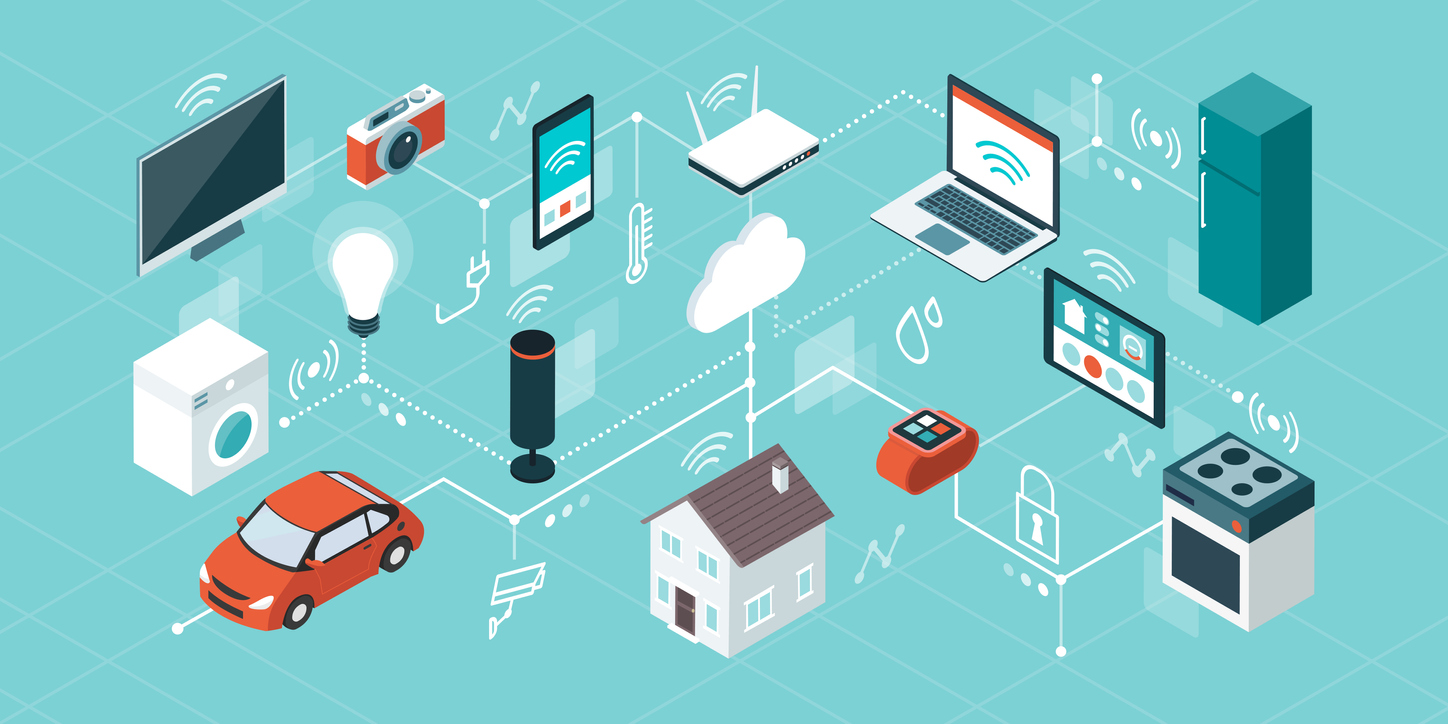
As we stand on the brink of a new technological era, the question arises: Are we ready for AI-driven home automation? The integration of artificial intelligence into home automation systems promises to revolutionize the way we interact with our living spaces. With devices that learn our preferences and habits, we can enjoy enhanced convenience, security, and energy efficiency. Imagine a home that adjusts its temperature based on your comfort level or lights that dim as you watch a movie—all of this is not just a fantasy, but a reality that is increasingly becoming accessible.
However, embracing AI-driven automation also brings challenges that we must consider. Issues such as privacy, security, and potential over-reliance on technology must be addressed before fully adopting these smart systems. Moreover, the user experience plays a critical role; consumers may find complex interfaces daunting. As we move forward, it is essential to strike a balance between leveraging the benefits of AI and ensuring that technology enhances, rather than complicates, our daily lives.