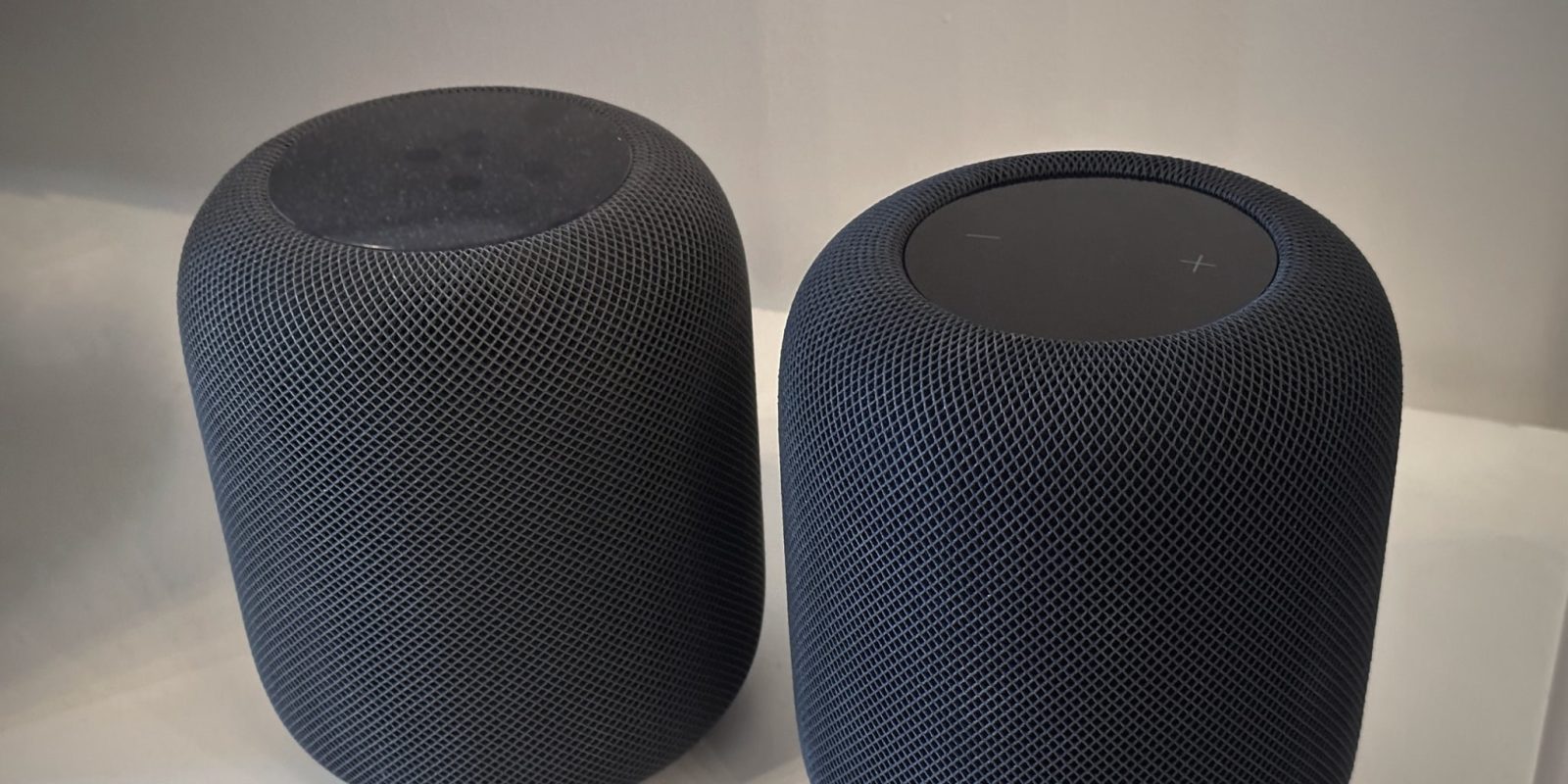
Unraveling the Mystery: Why Does My HomePod Misunderstand Commands?
Have you ever found yourself frustrated when your HomePod misunderstands your commands? This issue can arise due to various factors that influence how well the device interprets your voice. One primary reason could be background noise; if you’re in a bustling environment or playing music loudly, the HomePod may struggle to hear your commands clearly. Another factor might be the way you phrase your requests. The HomePod utilizes sophisticated algorithms to understand language, but unusual phrasing or accents can sometimes lead to misinterpretation. Improving articulation or using simpler commands may help improve its responsiveness.
Additionally, software glitches are not uncommon and can lead to the HomePod misinterpreting requests. Keeping your device updated with the latest software can resolve many of these issues. You should also consider whether your HomePod is placed in an optimal location; placing it near walls or in corners may affect its ability to pick up your voice accurately. If your HomePod continues to struggle, try resetting it as a last resort. These steps may help you unravel the mystery behind your HomePod's misunderstandings and enhance your user experience.
Counter-Strike, a popular first-person shooter game, has captivated players around the world with its team-based gameplay and strategic elements. Players engage in intense matches as terrorists or counter-terrorists, competing in various modes and maps. For those interested in enhancing their gaming experience, check out the Top 10 homepod stands to elevate your setup.
The Unintentional Humor of Smart Speakers: Hilarious HomePod Moments
The rise of smart speakers like Apple's HomePod has revolutionized the way we interact with technology in our homes. However, amidst the impressive capabilities of voice assistants, there are numerous moments where these devices prove to be unexpectedly hilarious. For instance, when a user attempts to set a timer but instead asks for a weather update, the HomePod's monotone response can lead to some unintentional laughter. Hilarious HomePod moments often stem from misunderstandings that can turn mundane requests into comedic exchanges, making it apparent that even the smartest technology can have its off days.
Another amusing aspect of smart speakers is their occasional misinterpretation of commands. Picture this: you ask your HomePod to play a specific song, and instead, it selects a random track that is nothing like what you wanted. Unintentional humor shines through as you listen to a completely unrelated tune, perhaps an old classic that has you chuckling at the unexpected vibe during your cooking session. These little quirks not only provide comic relief but also contribute to the unique personality that smart speakers embody, reminding us that technology is not infallible and can sometimes deliver a good laugh instead of a perfect answer.
Are Smart Speakers Too Smart? Exploring the Limits of AI in HomePod
The rise of smart speakers, particularly Apple's HomePod, has amplified discussions around the limits of artificial intelligence in our daily lives. While these devices offer incredible convenience—acting as personal assistants that can manage our schedules, stream music, and control smart home devices—they also raise critical questions about privacy and autonomy. As AI becomes more integrated into our homes, users must consider whether the benefits outweigh the potential risks linked to having such powerful technology at their fingertips.
One significant concern that arises with the AI capabilities of the HomePod is the possibility of over-reliance on technology for tasks we would typically engage in ourselves. As these devices learn from our habits and preferences, they may inadvertently shape our behaviors and decision-making processes. Are we relinquishing too much control to AI? The line between helpfulness and overreach is thin, and as we explore the balance between smart capabilities and user autonomy, it's essential to contemplate how these advancements are influencing our daily lives.