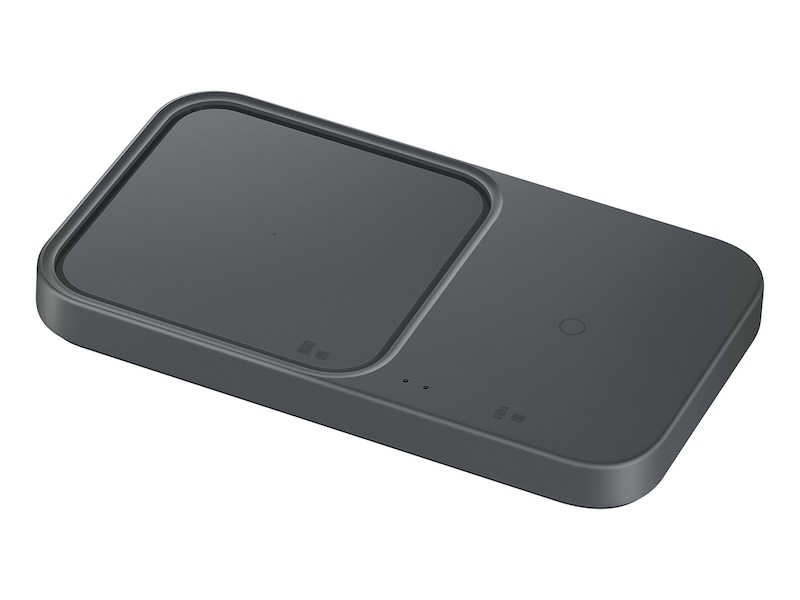
Understanding the Science Behind Wireless Charging Technology
Wireless charging technology operates on the principles of electromagnetic induction, a method that allows power to be transferred between two objects through coils. This process begins when a charging pad generates an alternating electromagnetic field, created by an induction coil located within the pad. When a compatible device, such as a smartphone or electric vehicle, is placed on the charging pad, another coil within the device captures this electromagnetic field and converts it back into electrical energy, charging the device's battery. The efficiency of this energy transfer depends on factors such as the alignment of the coils and the distance between them, with closer proximity resulting in more effective charging.
To enhance the understanding of wireless charging, it's essential to recognize the different standards that govern its use. The most prevalent standard is Qi, which is supported by many major smartphone manufacturers, including Apple and Samsung. According to the Wireless Power Consortium, Qi technology enables various power levels, typically ranging from 5W for smartphones to 15W for more powerful charges. Other standards, like PMA and A4WP, focus on specific applications, such as electric vehicle charging, thereby broadening the scope and applicability of wireless charging solutions in our daily lives.
Counter-Strike is a popular tactical first-person shooter game that has gained a massive following since its release. Players engage in intense team-based matches, choosing to play as either terrorists or counter-terrorists, each with unique objectives. For those looking for the perfect gaming accessories, check out the Top 10 iphone slim cases to keep your devices protected while you enjoy the game.
Top Benefits of Switching to Wireless Charging for Your Devices
Switching to wireless charging for your devices brings a myriad of benefits that enhance convenience and efficiency in our tech-driven lives. Firstly, the elimination of tangled cables and cluttered charging stations makes for a more organized space. With just a simple placement on a charging pad, your devices receive power seamlessly. Furthermore, many wireless chargers come with smart technology that automatically adapts to your device's needs, optimizing the charging speed without the risk of overheating—thus prolonging your device's battery life.
Another significant advantage of wireless charging is its universal compatibility. Many modern smartphones, tablets, and even smartwatches support this technology, allowing you to charge multiple devices without the need for different cables or adapters. This not only saves money but also reduces electronic waste, making it an eco-friendly choice. Additionally, as this technology continues to advance, we can expect even more innovative features, such as integration with public charging stations and the potential for charging multiple devices simultaneously.
Is Wireless Charging Safe? Debunking Common Myths
Wireless charging has revolutionized the way we power our devices, but many consumers still wonder, is wireless charging safe? One common myth is that wireless charging can cause overheating and damage to your device. In reality, reputable manufacturers have designed their wireless chargers to include safety features such as overheating protection and built-in sensors that communicate with your device. These features ensure that the charging process is efficient and safe, preventing any potential harm to your smartphone or tablet.
Another misconception is that wireless charging emits harmful radiation. However, the truth is that wireless chargers operate using electromagnetic fields, which are similar to those used in mobile phones and Wi-Fi devices. The levels of radiation produced by wireless charging are far below the limits set by regulatory bodies and are considered safe for everyday use. In fact, studies have shown that using a wired charger exposes you to similar levels of radiation due to their operating principles. Therefore, you can confidently use wireless charging without fear of adverse health effects.