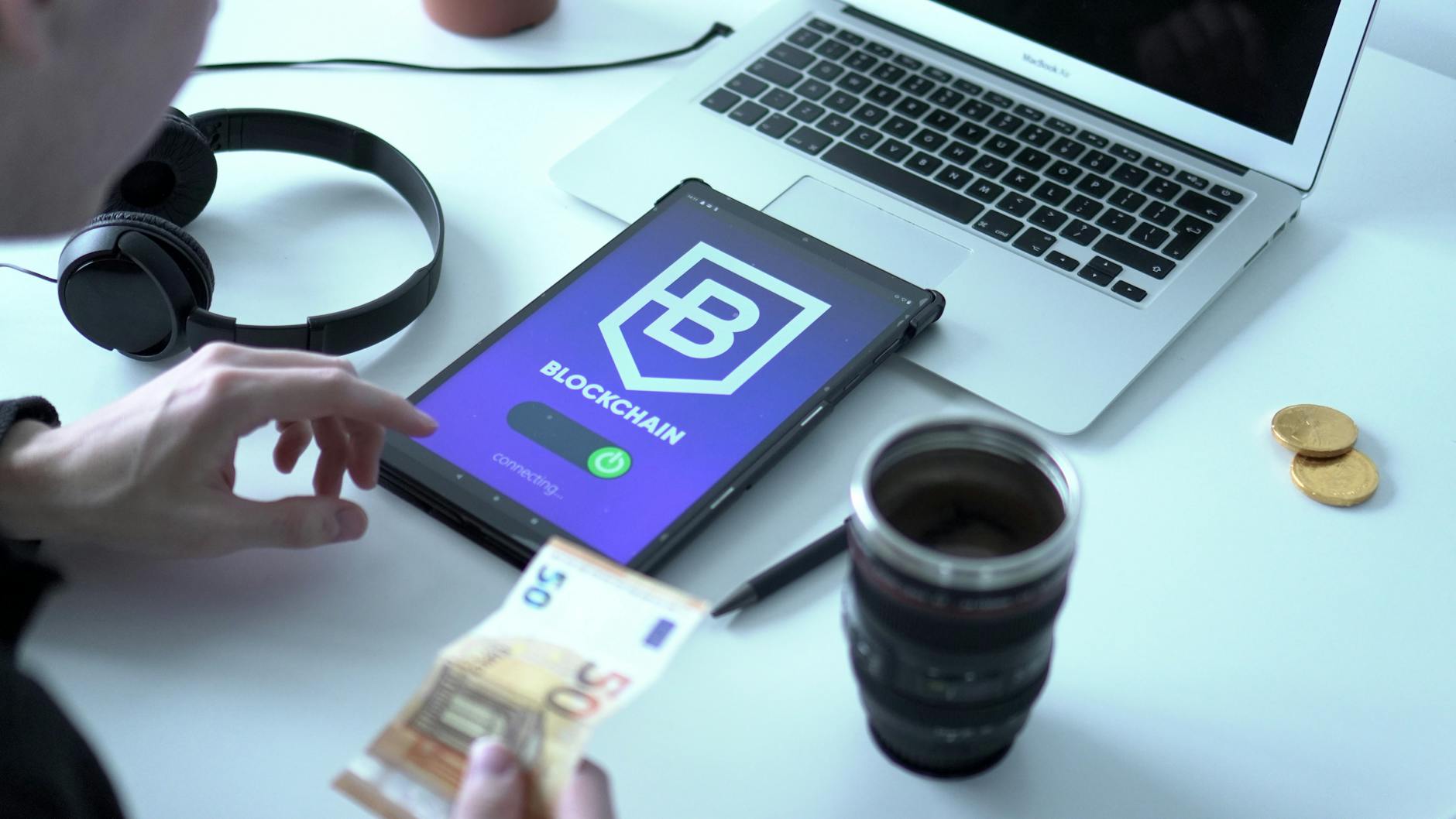
From Fiat to Fortune: Navigating Deposit Options & Avoiding Common Pitfalls
Navigating the diverse landscape of deposit options is a critical first step for anyone transitioning from traditional fiat currency into the world of digital assets or online investments. Understanding the various methods available, from straightforward bank transfers and credit/debit card payments to more specialized e-wallets and cryptocurrency gateways, is paramount. Each option presents its own set of advantages and disadvantages, including varying transaction fees, processing times, and security protocols. For instance, while a direct bank transfer might offer lower fees for larger sums, it could entail a longer waiting period. Conversely, using a credit card provides instant gratification but often comes with higher charges and, in some cases, limits imposed by the card issuer. Making an informed decision here can significantly impact your initial experience and overall financial efficiency.
Beyond simply identifying deposit methods, avoiding common pitfalls is equally crucial for a smooth and secure financial journey. One prevalent mistake is failing to verify the legitimacy and security measures of the platform you're depositing funds into. Always look for reputable exchanges or platforms with strong encryption and robust KYC (Know Your Customer) policies. Another pitfall is overlooking hidden fees or unfavorable exchange rates that can erode your initial deposit. Always scrutinize the terms and conditions carefully, paying particular attention to withdrawal limits and potential charges for currency conversions. Furthermore, be wary of phishing scams and unsolicited requests for your personal financial information. Prioritizing due diligence and understanding the fine print will safeguard your capital and prevent unwelcome surprises.
Step into the exciting
Crypto & Beyond: Explaining Blockchain Transfers, Fees, and Security FAQs
Delving into the mechanics of a blockchain transfer reveals a fascinating interplay of cryptography and distributed consensus. Unlike traditional banking where a central authority validates transactions, blockchain transfers are validated by a network of independent nodes. When you initiate a transfer, your wallet creates a transaction request, digitally signed with your private key. This request is then broadcast to the network, where miners (or validators in Proof-of-Stake systems) compete to include it in the next block. Once included and confirmed by a sufficient number of subsequent blocks, the transaction is immutable and permanently recorded on the public ledger. This distributed verification process is a cornerstone of blockchain's security, making it incredibly resistant to fraud and manipulation. Understanding this fundamental process is key to grasping the revolutionary potential of decentralized finance.
While the security of blockchain is often hailed, understanding the nuances of fees and common FAQs is crucial for any user. Transaction fees, often called 'gas' in some networks, are paid to incentivise miners/validators to include your transaction in a block. These fees fluctuate based on network congestion and the complexity of your transaction, making timely transfers sometimes more expensive. Common FAQs often revolve around lost private keys (irreversible!), understanding different wallet types (hot vs. cold), and the implications of network forks. For instance, a lost private key means permanent loss of funds, highlighting the importance of secure backup procedures. Furthermore, users frequently inquire about the finality of transactions; once confirmed, they cannot be reversed, emphasizing the need for careful verification before sending.
"The security of your crypto hinges on the security of your private key."